
Lube Grease
-

-
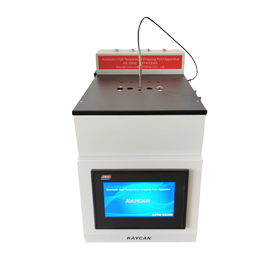
KN-2265 High Temperature Dropping Point Apparatus
The dropping point is useful to assist in identifying the grease as to type and for establishing and maintaining bench marks for quality control. The results are to be considered to have only limited significance with respect to service performance because dropping point is a static test.Read
more >
-
-
KN-2265Z Automatic High Temperature Dropping Point Apparatus
KN-2265Z Automatic High Temperature Dropping Point Apparatus conforms to the ASTM D2265 Standard Test Method for Dropping Point of Lubricating Grease Over Wide Temperature Range. This apparatus covers the determination of the dropping point of lubricating grease and it tests dropping points of lubricating greases at temperatures of up to 400°C.Read
more >
-
-
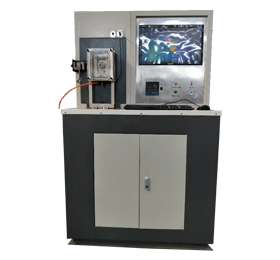
KN-2509 Timken Load Tester
The test method is used widely for specification purposes and is used to differentiate between greases having low, medium, or high levels of extreme pressure characteristics. The results may not correlate with results from service.Read
more >
-
-
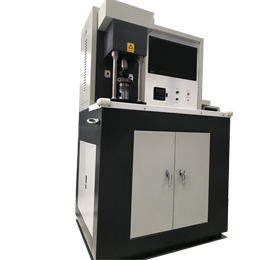
KN-2783Z Automatic Four Ball Wear Tester
This test method, used for specification purposes, differentiates between lubricating fluids having low, medium, and high level of extreme-pressure properties. The user of this method should determine to his own satisfaction whether results of this test procedure correlate with field performance or other bench test machines.Read
more >
-
-
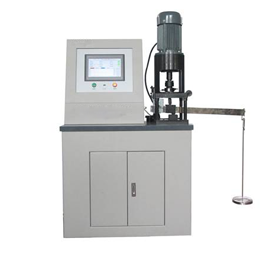
KN-2783 Manual Four Ball Wear Tester
The four-ball wear-test method can be used to determine the relative wear-preventing properties of greases under the test conditions and if the test conditions are changed the relative ratings may be different. No correlation has been established between the four-ball wear test and field service. The test method cannot be used to differentiate between Extreme Pressure (EP) and Non-Extreme Pressure (Non-EP) GreasesRead
more >
-

-
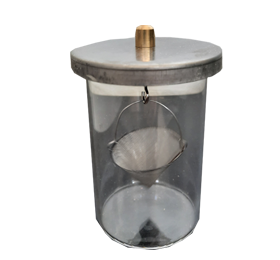
KN-392 Grease Separation Apparatus
KN-392 Grease Separation Apparatus conforms to the GB/T392, The apparatus covers the determination of the tendency of a lubricating grease to separate oil during storage in both normally filled and partially filled containersRead
more >
-
-
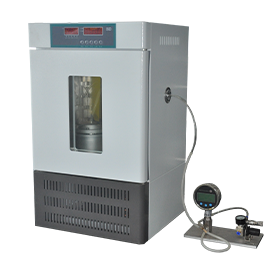
KN-6184 Oil Separation Apparatus for Grease
When a lubricating grease separates oil, the residual material changes in consistency, which can affect the ability of the product to function as designed. Test results obtained with this procedure are intended to correlate with oil separation that occurs in 35-lb pails of grease during storage. They are not intended to predict oil separation tendencies of grease under dynamic service conditionsRead
more >
-
-
KN-1742 Oil Separation of Lubricating Grease
When a lubricating grease separates oil, the remaining composition increases in consistency. This can affect the ability of the product to function as designedRead
more >
-

-
KN-121 Apparatus for Oil Separation from Lubricating Grease
KN-121 Apparatus for Oil Separation from Lubricating Grease conforms to IP 121 Determination of Oil Separation from Lubricating Grease – Pressure Filtration Method. A cylindrical column of grease resting on a metal gauze cone is subjected to a fixed pressure in excess of the hydrostatic pressure of the grease. The quantity of oil separated through the gauze after standing for 42h or 168h at 40℃ is taken as a measure of the stability of the grease towards oil separation during storage.Read
more >
-
-
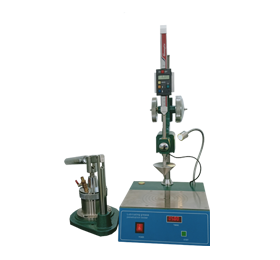
KN-217 Manual Cone Penetration for Petroleum Products
Cone penetration test results provide one measure of the consistency of a grease. Worked penetration results are required to determine to which NLGI consistency grade a grease belongs. Undisturbed penetration results provide a means of evaluating the effect of storage conditions on grease consistencyRead
more >

 No.88 Xin Shuini Road, Ganjingzi District, Dalian, Liaoning Province
 Mobile:+86-13889520862 Email:jimmychou@kaycantest.com; info@kaycantest.com